Who wants to be distracted by their bra all day? Imagine constantly battling with straps that dig, slip, or just decide to rebel altogether. It’s not you; it’s probably your bra. These annoying adjustments often signal fit issues: digging straps, slipping straps, cup overflow, or gaping cups. Alternatively, you might be wearing the wrong bra size altogether.
Style, fit, and comfort are key when choosing a bra. Size charts can be helpful, but they aren’t always sufficient for finding the perfect fit. A well-fitting bra should provide support without feeling like a medieval torture device. Strap problems, in particular, are common and can significantly impact your comfort. Let’s explore these common strap issues and how to address them.
Understanding Bra Straps
Contrary to popular belief, your bra straps shouldn’t bear the brunt of the support—that’s the job of the bra band. Straps provide additional structure and help keep the bra cups in place. Think of bra straps like the seatbelt in a car: if the seat itself isn’t properly adjusted, the seatbelt alone won’t make your ride comfortable. The same goes for bras: if the band doesn’t fit well, the straps alone can’t save the day.
Fixing Slipping Straps
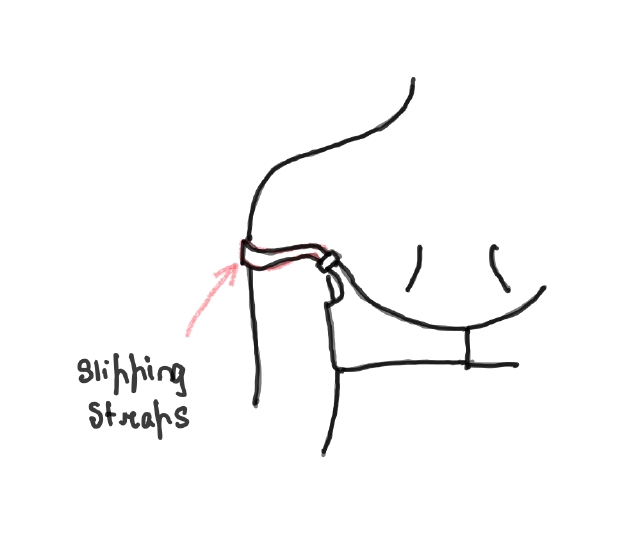
If you’re always pulling up your bra straps, consider these solutions:
- Tighten the Straps: Straps can stretch out over time. Adjust them every couple of months to maintain a proper fit.
- Choose the Right Style: Full Coverage and T-Shirt bras usually have straps that stay on your shoulder better. However, this isn’t always the case for everyone. Balconette and Plunge bras have wider-set straps that can slip more easily. Think of it as finding your soulmate—sometimes you have to try a few to find the perfect match!
- Check Your Bra’s Age: Worn-out bras lose elasticity. It might be time to invest in a new one for better support.
- Adjust to Your Measurements: Many women don’t adjust the straps after buying a bra online. Make sure to personalize the fit. Your bra should be as unique as you are!
Addressing Digging Straps
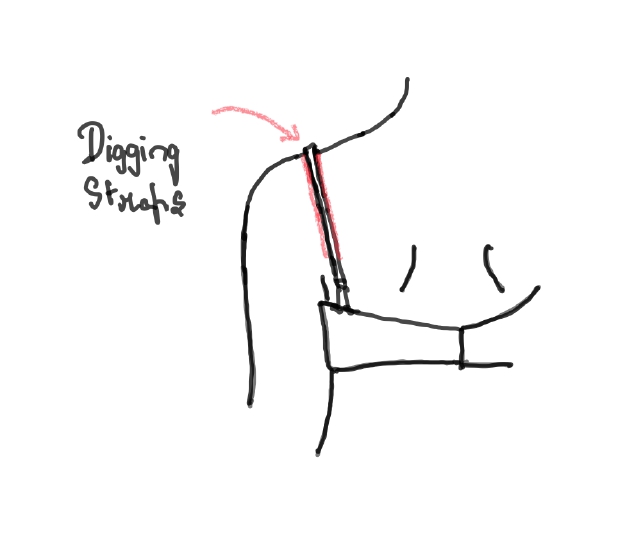
A band that is too big does not provide enough support. This means the bra straps have to compensate by bearing more weight, which can cause them to dig into your shoulders. When the band is snug and properly fitted, it provides most of the support, relieving the pressure on the straps. Here’s how to fix it:
- Check Your Band Size: Try going down a band size to ensure a snug fit. Remember, if you go down a band size, you need to go up a cup size to keep the same volume. This is called “sister sizing.” For example, if you wear a 36C, your sister size with a smaller band would be 34D. This gives you a snugger band without losing cup volume.
- Opt for Wider Straps: For those with a D cup or larger, bras with wider straps are generally more supportive and comfortable. Wider straps distribute the weight of your breasts more evenly across your shoulders, reducing pressure and preventing the straps from digging into your skin. They also help keep the straps from slipping off your shoulders.
Note
The band plays a crucial role in overall support. If the band is too narrow or too loose, even wider straps may not fully reduce discomfort. The band should be snug but not too tight, sitting level around your torso to provide the main support for your breasts. Think of the band as the foundation of your bra; it should do most of the heavy lifting, while the straps assist in providing structure and comfort.
Conclusion
The best bras are the ones you don’t have to think about—they fit well, provide support, and don’t cause discomfort. By adjusting your straps, choosing the right style, and ensuring your bra is the correct size and in good condition, you can achieve the ideal fit. Remember, a good bra is like your BFF: supportive, reliable, and always there to lift you up!
Have any tips or personal experiences about finding the perfect bra fit? Share your thoughts in the comments below!
 Bare Essentials Blog
Share your thoughts